Каждую неделю мы собираем для вас самые популярные AI-инструменты на платформе Product Hunt. Вот избранное за 12-ю неделю 2026 года, давайте вместе посмотрим на эти инновационные AI-решения.
Оглавление
- Stitch 2.0 by Google
- MuleRun
- Lightfield
- Glam AI
- My Computer by Manus AI
- Design Agent by Lokuma
- Claude Cowork Projects
- MiniMax-M2.7
- Lightning Rod
- Composer 2 by Cursor
- Bench for Claude Code
- Genie by Databox
- Claude Code Scheduled Tasks
- Codex Subagents
- GLM-5-Turbo
- Netlify.new
- OpenObserve
- InfrOS
- Fractal
- Kira 4.0
1. Stitch 2.0 by Google 
Введение: Vibe разрабатывает эстетически привлекательный интерфейс пользователя, готовый к производству, за считанные секунды.
Количество голосов: 🔺 684 votes Опубликовано: 19 марта 2026 г.
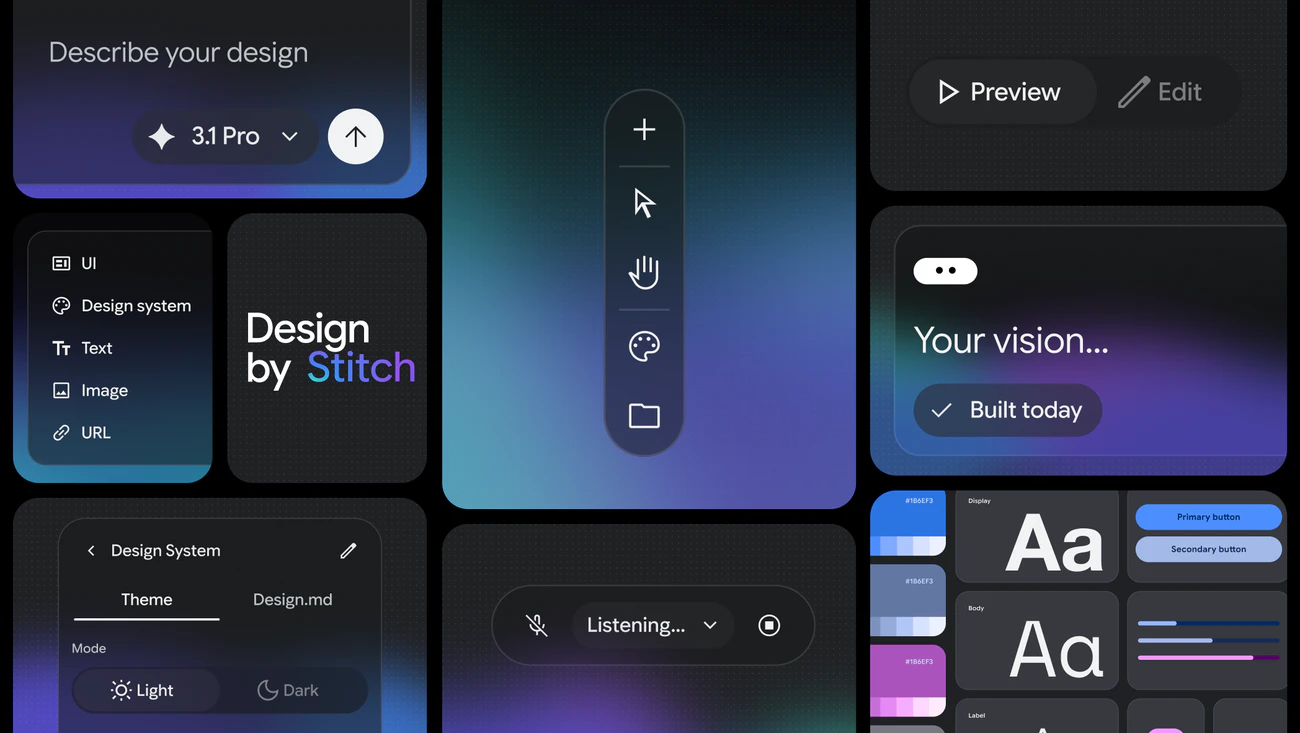
Познакомьтесь со Stitch, вашим AI-партнером по дизайну атмосферы. Создавайте, итеративно дорабатывайте и сотрудничайте в создании высококачественного пользовательского интерфейса с помощью естественного языка, голоса и контекстно осведомленных агентов. Проектируйте на одном холсте, используя изображения, код и текст, генерируйте мгновенные прототипы и поддерживайте согласованность с помощью встроенной системы дизайна и DESIGN.md. От идеи до интерфейса всего за несколько секунд — быстрее, умнее и интуитивнее, чем когда-либо.
Ключевые слова: Stitch 2.0, Google, AI-дизайн, интерфейсный дизайн, высокоточный UI, естественный язык, голосовое взаимодействие, дизайн-сотрудничество, генерация прототипов, дизайн-система, интегрированный дизайн, быстрый дизайн, интеллектуальный дизайн, интуитивный дизайн, инструменты дизайна
Связь:
2. MuleRun 
Введение: 培养 искусственный интеллект, который действительно понимает, как вы работаете.
Количество голосов: 🔺 632 votes Опубликовано: 16 марта 2026 г.

MuleRun — это первый в мире самоэволюционирующий персональный искусственный интеллект. Он изучает ваши рабочие привычки, модели принятия решений и предпочтения, а затем со временем становится все умнее. Он работает на вашем выделенном облачном виртуальном сервере круглосуточно, может работать, когда вы оффлайн, и активно готовит то, что вам нужно, еще до того, как вы это запросите. Не требуется кодирования, не нужно настроек. Просто запустите свой искусственный интеллект и наблюдайте за его эволюцией.
Ключевые слова: MuleRun, самосовершенствование, персональный ИИ, изучение рабочих привычек, модели принятия решений, предпочтения, облачная виртуальная машина, работа 24/7, оффлайн-работа, активная подготовка, без необходимости в кодировании, без настройки, наблюдение за эволюцией.
Связь:
3. Lightfield 
Введение: AI-родной CRM, который может самостоятельно строиться и работать на вас.
Количество голосов: 🔺 597 votes Опубликовано: 18 марта 2026 г.

Lightfield автоматически считывает ваши электронные письма, встречи и звонки, чтобы автоматически создать вашу систему управления взаимоотношениями с клиентами. Не нужно вручную вводить данные — никогда не нужно. Подключите свой почтовый ящик, загрузите таблицы из старой системы управления взаимоотношениями с клиентами или CSV, и все будет воссоздано менее чем за пять минут. Задайте ему любой вопрос простым английским: кто нуждается в дальнейшем контакте, какие возражения постоянно возникают, как меняется наш идеальный профиль клиента — все это основано на ваших реальных разговорах. Затем используйте это для составления последующих писем, создания презентаций для совета директоров, подготовки предложений и т.д.
Ключевые слова: Lightfield, AI-родной CRM, автоматическое создание, автоматизация данных, без ручного ввода, подключение электронной почты, загрузка электронных таблиц, миграция старого CRM, быстрое восстановление, запросы на естественном языке, отслеживание потребностей, анализ возражений, изменения ICP, отслеживание черновиков, составление отчетов, создание предложений
Связь:
4. Glam AI 
Введение: Выберите тренд, добавьте свое фото, создайте вирусный контент.
Количество голосов: 🔺 561 votes Опубликовано: 16 марта 2026 г.
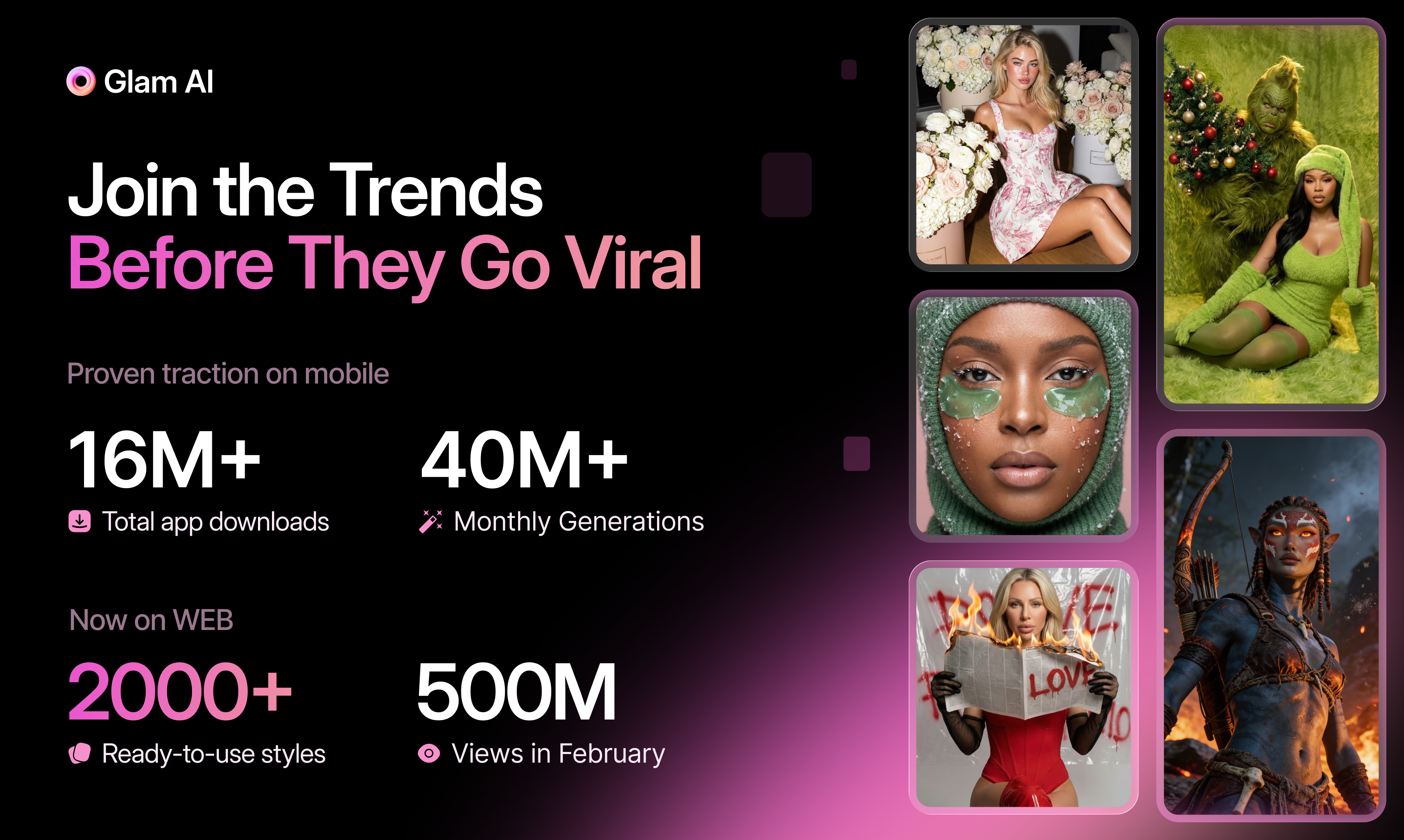
Glam AI позволяет вашему контенту оставаться стильным без усилий. Просматривайте готовые шаблоны трендов, загружайте свои фотографии или изображения продуктов и за несколько минут создавайте качественные визуальные эффекты — без подсказок и сложных рабочих процессов. Специально разработано для создателей, инфлюенсеров и брендов, которым нужно действовать быстро; все основные модели изображений и видео включены в одну подписку.
Ключевые слова: Glam AI, трендовые шаблоны, загрузка фотографий, высококачественная визуализация, создатели, инфлюенсеры, бренды, быстрое создание, контентное творчество, социальные сети, видеомодели, подписка, без сложных процессов, вирусный контент
Связь:
5. My Computer by Manus AI 
Введение: Используйте Manus Desktop для автоматизации файлов, приложений и рабочих процессов.
Количество голосов: 🔺 494 votes Опубликовано: 17 марта 2026 г.
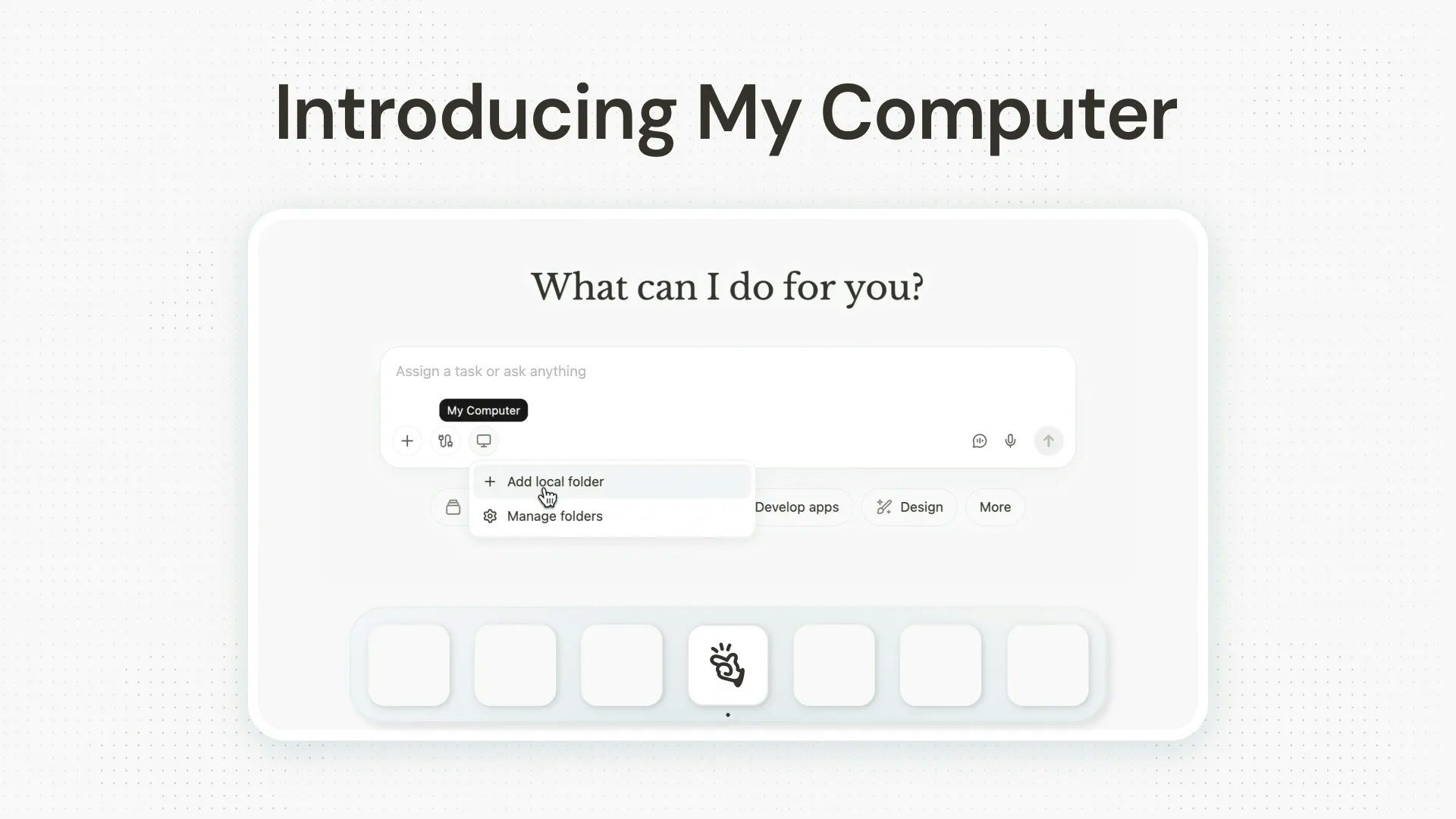
Познакомьтесь с моим компьютером, это основная функция настольного приложения Manus. Оно переносит Manus из облака на ваш компьютер, позволяя вашему AI-ассистенту напрямую работать с локальными файлами, инструментами и приложениями. Организуйте тысячи фотографий, переименуйте сотни счетов или создавайте настольные приложения Swift без написания кода. Объединяйте коннекторы, проекты, агенты и запланированные задачи для автоматизации рабочих процессов. Теперь доступно на macOS и Windows.
Ключевые слова: мой компьютер, Manus AI, автоматизация, управление файлами, приложения, рабочий процесс, Manus Desktop, локальные файлы, AI помощник, организация фотографий, переименование счетов, Swift настольное приложение, без кодирования, коннекторы, проекты, агенты, запланированные задачи, macOS, Windows
Связь:
6. Design Agent by Lokuma 
Введение: Ваш AI-агент дизайнер (Openclaw, CC, Codex)
Количество голосов: 🔺 450 votes Опубликовано: 21 марта 2026 г.
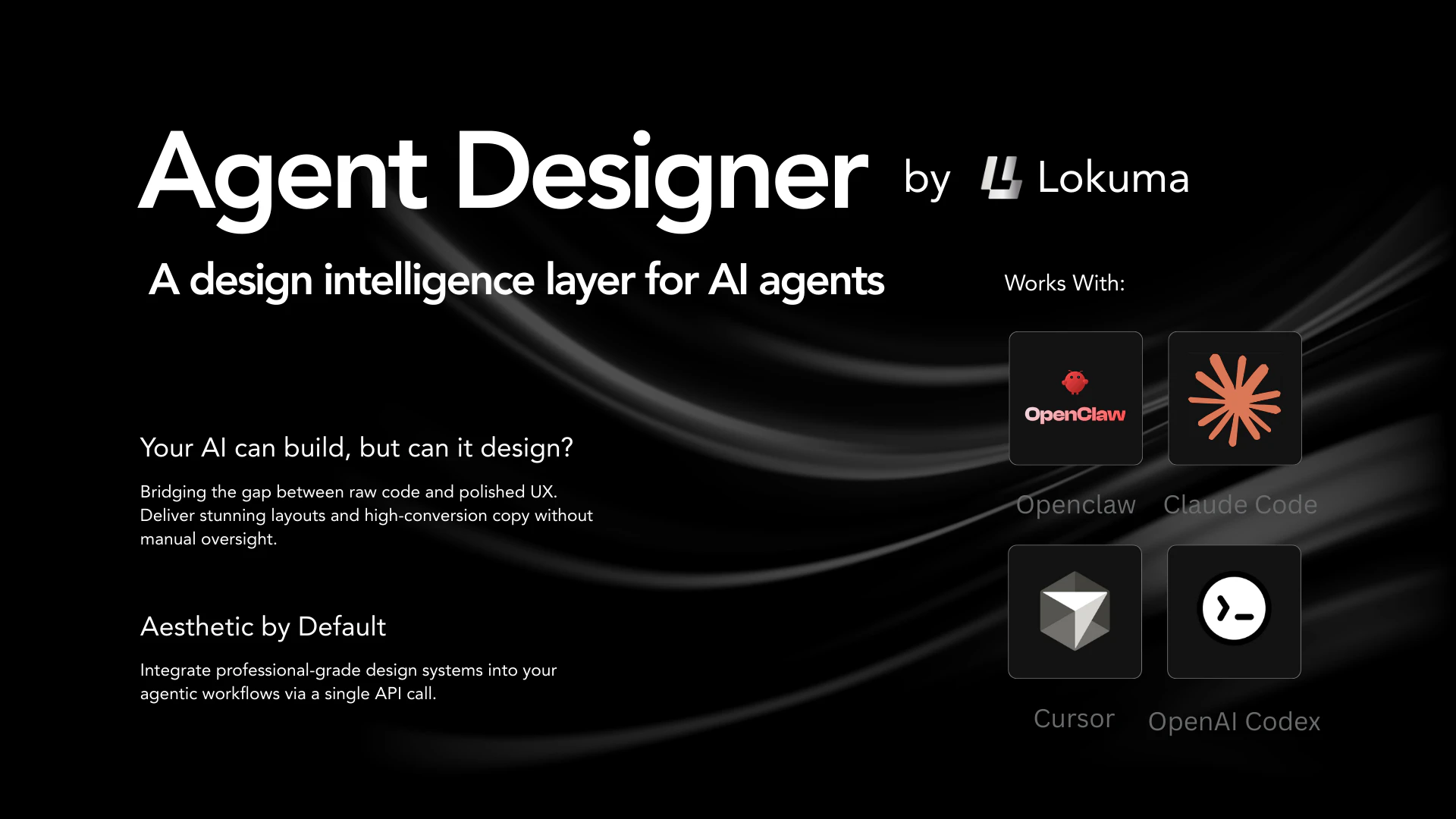
Lokuma дизайн-агент — это AI-дизайнер, к которому можно обратиться. Это интеллектуальный слой дизайна, предоставляемый для таких агентов, как OpenClaw, Claude Code или Codex. AI почти может генерировать что угодно. Но генерация не равна дизайну. Преобразование исходного вывода в четкое, структурированное и визуально изысканное содержание все еще требует дизайнерского мышления. Lokuma создана производителями инструментов дизайна, которые помогают AI понимать компоновку, типографику и визуальный баланс — превращая вывод в ощущение продуманной целевой страницы, веб-сайта и страниц мероприятий.

Ключевые слова: Дизайн-агент, Lokuma, AI-дизайнер, дизайнерский интеллект, OpenClaw, Claude Code, Codex, генеративный дизайн, дизайнерское мышление, макет, типографика, визуальный баланс, целевая страница, веб-сайт, маркетинговая страница, визуальная утонченность
Связь:
7. Claude Cowork Projects 
Введение: Задачи, контекст и организация файлов в рабочей области
Количество голосов: 🔺 411 votes Опубликовано: 21 марта 2026 г.

Проекты в Claude Cowork объединяют ваши задачи, файлы, инструкции и память в одном сосредоточенном рабочем пространстве на вашем столе. Оно разработано для управления сложными рабочими процессами как для отдельных пользователей, так и для команд, поддерживая все локализованным, организованным и повторно используемым, что позволяет вам быстрее сохранять согласованный контекст между задачами.
Ключевые слова: Клод Коворк, управление проектами, организация задач, управление документами, рабочее пространство, командное сотрудничество, рабочие процессы, локальное хранилище, эффективная работа, интегрированное управление, управление памятью, сложные рабочие процессы, контекст задач, повторно используемые ресурсы
Связь:
8. MiniMax-M2.7 
Введение: Модели искусственного интеллекта, эволюционирующие самостоятельно, управляют автономными агентами.
Количество голосов: 🔺 380 votes Опубликовано: 19 марта 2026 г.

MiniMax M2.7 — это саморазвивающаяся модель искусственного интеллекта, способная помогать в построении собственных возможностей. Она может создавать агентские инструменты, сотрудничать через агентские команды и справляться со сложными задачами, такими как кодирование, отладка и исследование. Благодаря мощным профессиональным возможностям в области программной инженерии и сокращенному времени вмешательства, она превосходит статический искусственный интеллект, переходя в систему, которая постоянно обучается, адаптируется и выполняет сложные задачи с минимальным человеческим вводом. Доступно через API и MiniMax Agent для разработчиков, продвигающих нативные рабочие процессы ИИ.

Ключевые слова: MiniMax-M2.7, саморазвитие, AI модель, автономный агент, команда агентов, сложные задачи, кодирование, отладка, исследование, производительность SWE-Pro, сокращение времени вмешательства, статический ИИ, непрерывное обучение, адаптация, выполнение сложной работы, минимальный человеческий ввод, API, MiniMax агент, нативный рабочий процесс ИИ
Связь:
9. Lightning Rod 
Введение: Быстро преобразуйте данные из реального мира в обучающие наборы данных.
Количество голосов: 🔺 354 votes Опубликовано: 17 марта 2026 г.
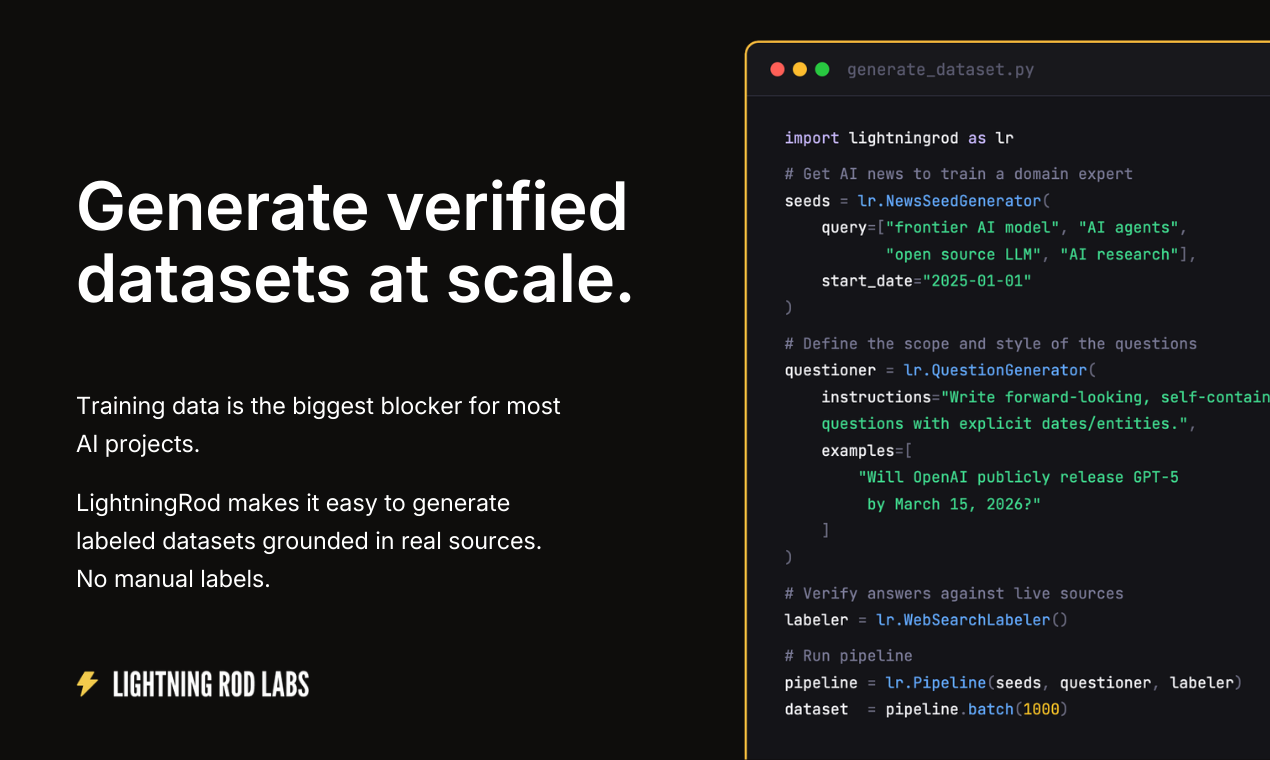
Lightning Rod SDK преобразует данные из реального мира — такие как новости, документы или ваши собственные файлы — в проверенные, готовые к использованию в производстве тренировочные наборы данных всего за несколько часов, всего лишь с несколькими строками кода на Python. Пропустите ручную разметку и синтетические предположения.

Ключевые слова: молниеотвод, набор данных, обучающие данные, данные в реальном времени, Python, SDK, автоматическая разметка, готовность к производству, быстрая конвертация, новостные данные, файловые данные, проверочные данные, искусственный интеллект, машинное обучение
Связь:
10. Composer 2 by Cursor 
Введение: Быстрая и эффективная модель кодирования на передовом уровне.
Количество голосов: 🔺 352 votes Опубликовано: 20 марта 2026 г.
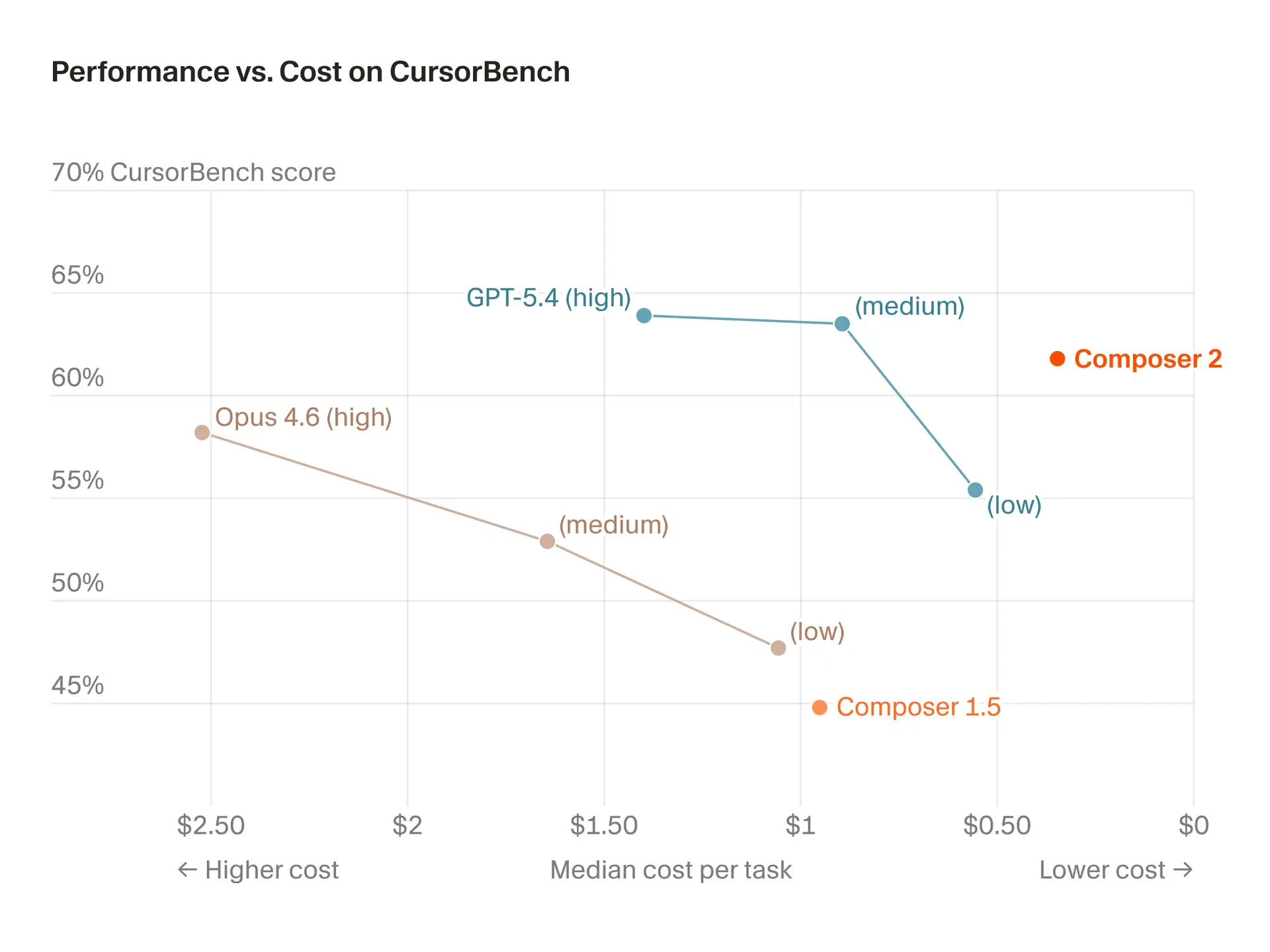
Cursor's Composer 2 — это передовая модель кодирования, созданная для сложных долгосрочных задач разработки. Она сочетает в себе мощные эталонные показатели производительности и эффективное ценообразование (вход $0.50/M, выход $2.50/M). Благодаря постоянному предварительному обучению и обучению с подкреплением она обеспечивает более умное генерирование кода, обладая лучшим соотношением цена-качество, а также имеет более быструю версию, подходящую для рабочих процессов в реальном времени.
Ключевые слова: Композитор 2, Курсор, модель кодирования, быстро, эффективные токены, передовые технологии, сложные задачи разработки, производственные эталоны, эффективное ценообразование, генерация кода, предварительное обучение, обучение с подкреплением, соотношение цена-качество, рабочие процессы в реальном времени, долгосрочная разработка.
Связь:
11. Bench for Claude Code 
Введение: Храните, проверяйте и делитесь своими сессиями Claude Code.
Количество голосов: 🔺 351 votes Опубликовано: 22 марта 2026 г.

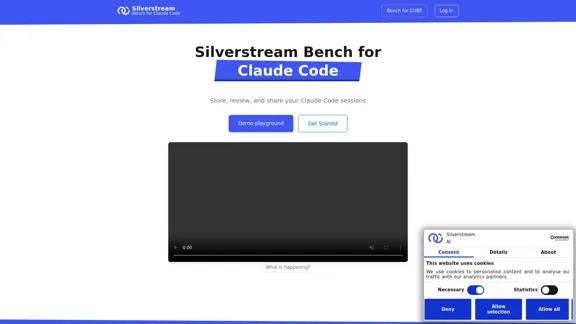
Claude Code только что открыл PR. Но вы действительно знаете, что он сделал? С помощью Bench вы можете автоматически сохранять каждую сессию, легко выясняя, что произошло. Быстро находите проблемы, углубляйтесь в каждое вызов инструмента и изменения в файлах, и делитесь полным контекстом с другими по одной ссылке: без дополнительного фона. Когда все идет хорошо, встраивайте историю в ваш PR. Когда что-то идет не так, отправляйте ссылку коллегам за помощью. Бесплатно, без ограничений. На Mac и Linux достаточно одного запроса для настройки.
Ключевые слова: Клод Код, Скамейка, Хранение, Проверка, Обмен, Сессия, PR, Автохранение, Обнаружение проблем, Вызов инструментов, Изменения файлов, Контекст, Ссылка, Встраивание истории, Бесплатно, Без ограничений, Mac, Linux
Связь:
12. Genie by Databox 
Введение: Ваш аналитик ИИ для бизнес-эффективности
Количество голосов: 🔺 342 votes Опубликовано: 18 марта 2026 г.
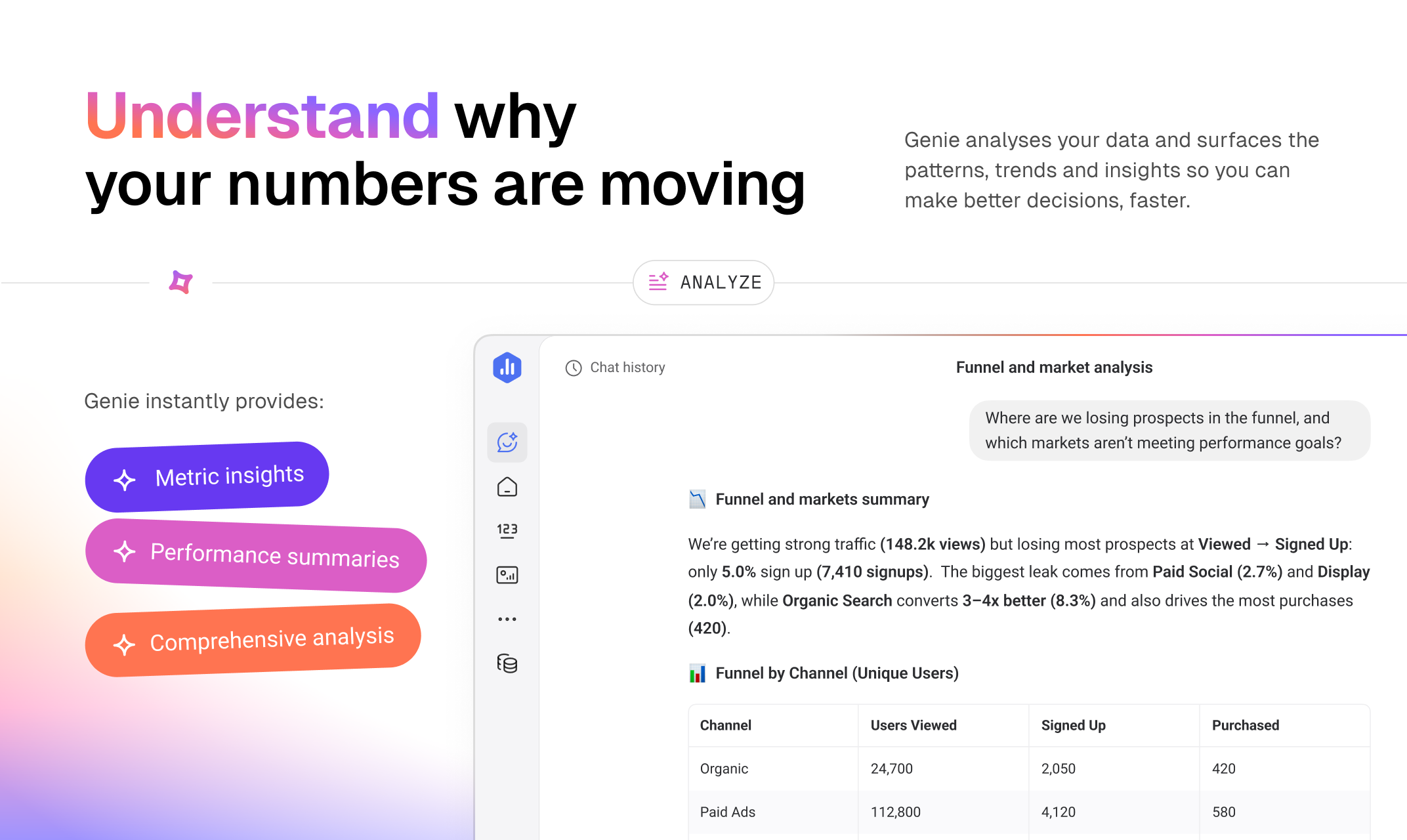
Genie — это встроенный в Databox AI-аналитик. Задавайте вопросы о производительности вашего бизнеса и получайте мгновенные инсайты из ваших данных, чтобы ваша команда могла быстро понять факторы, влияющие на результаты, и предпринять действия.

Ключевые слова: Джин, Databox, AI-аналитик, бизнес-производительность, данные инсайты, анализ в реальном времени, командное сотрудничество, эффективность бизнеса, основанный на данных, быстрое принятие решений
Связь:
13. Claude Code Scheduled Tasks 
Введение: Легко планируйте повторяющиеся задачи локально и в облаке.
Количество голосов: 🔺 332 votes Опубликовано: 22 марта 2026 г.
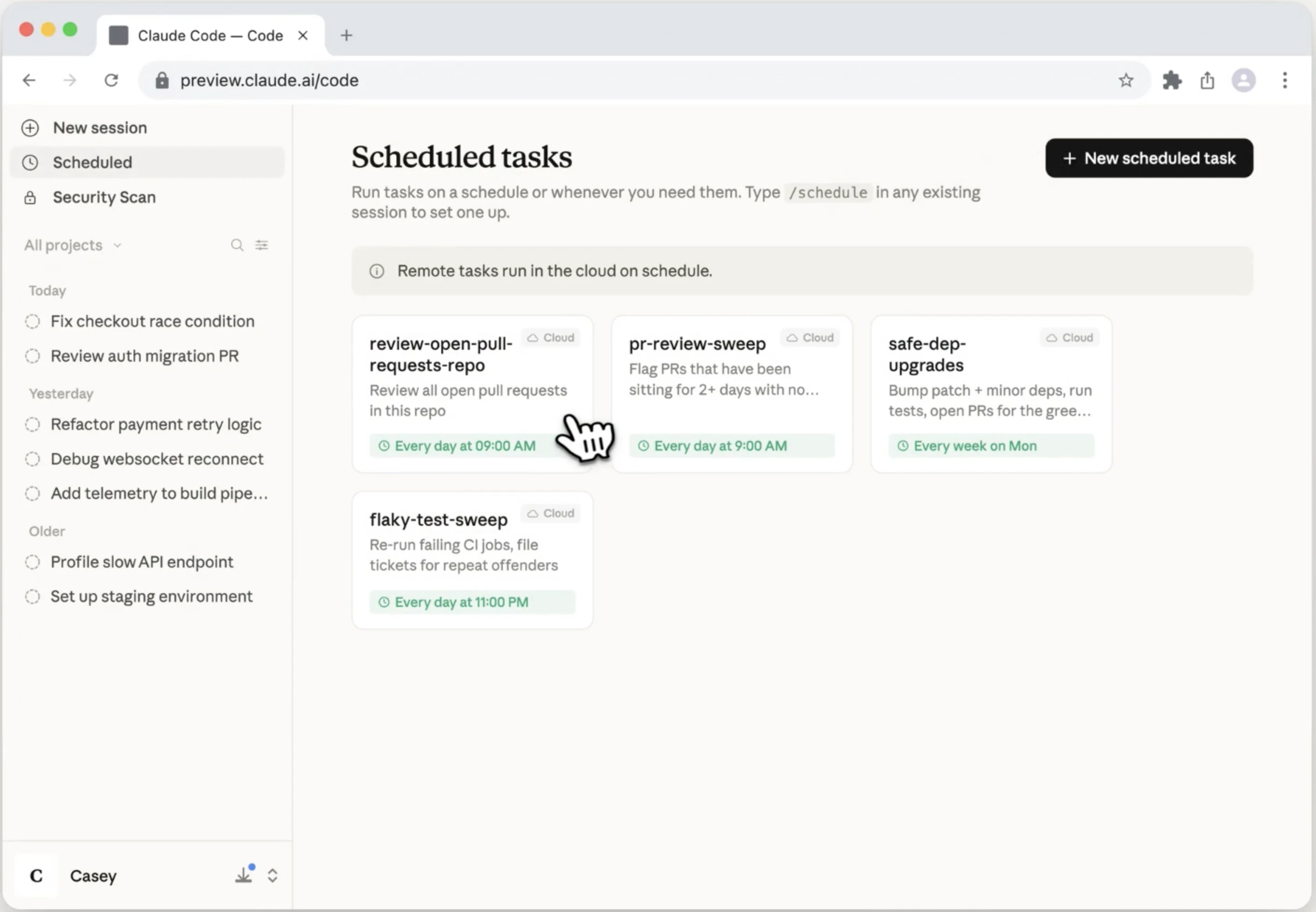
Используйте Claude Code для выполнения повторяющихся задач кодирования на локальном компьютере и/или в облаке. Один раз настройте репозиторий кода, расписание и подсказки, чтобы задачи автоматически выполнялись в установленном месте (локально или в облаке). Отлично подходит для непрерывных рабочих процессов, автоматизации и разработки через代理.
Ключевые слова: Клод Код, запланированные задачи, локальные задачи, облачные задачи, автоматизация, непрерывные рабочие процессы, программные задачи, планирование задач, выполнение кода, автоматизация кода, разработка прокси, управление задачами, репозиторий кода, регулярные задачи
Связь:
14. Codex Subagents 
Введение: Параллельные пользовательские прокси для сложных задач
Количество голосов: 🔺 315 votes Опубликовано: 17 марта 2026 г.
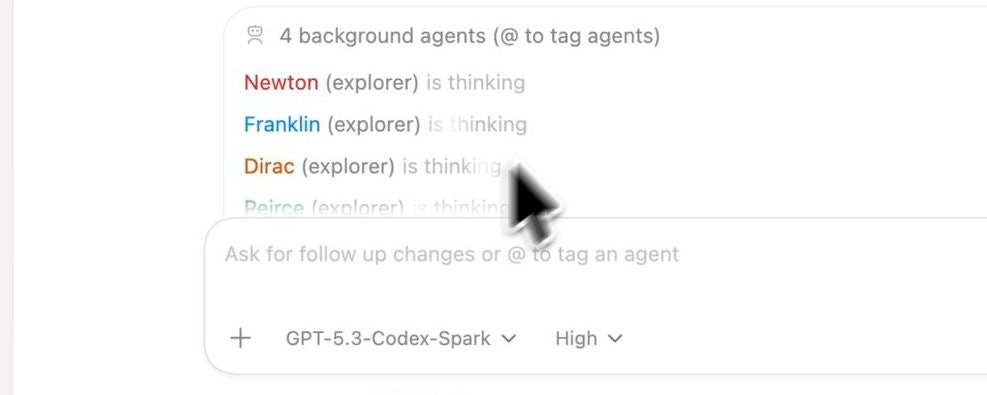
Codex теперь поддерживает субагентов, позволяя вам создавать специализированных параллельных ИИ-работников для сложных задач кодирования. Определяя пользовательские TOML-агенты с независимыми ролями (такими как исследователь и рецензент), вы можете выполнять многоступенчатые рабочие процессы без потери контекста.
Ключевые слова: Codex子代理, параллельные настраиваемые агенты, сложные задачи, специализированные AI-работники, настраиваемые TOML-агенты, изолированные роли, исследователи, рецензенты, многошаговые рабочие процессы, контекстное разложение.
Связь:
15. GLM-5-Turbo 
Введение: Специально разработанная высокоскоростная прокси-модель для OpenClaw
Количество голосов: 🔺 313 votes Опубликовано: 16 марта 2026 г.

GLM-5-Turbo — это высокоскоростной вариант Z.ai, глубоко оптимизированный для OpenClaw с самого начала этапа обучения. Он отлично справляется с точными вызовами инструментов, выполнением сложных команд, временными и непрерывными задачами, а также с выполнением длинных цепочек с почти нулевыми иллюзиями. Быстрее, надежнее, специально разработан для реальных рабочих процессов агентов.
Ключевые слова: GLM-5-Turbo, высокоскоростная прокси-модель, OpenClaw, Z.ai, вызов инструментов, выполнение сложных команд, запланированные задачи, постоянные задачи, выполнение длинных цепочек, низкая иллюзия, быстро, надежно, прокси-рабочий процесс
Связь:
16. Netlify.new 
Введение: Запустите проект на Netlify только с помощью подсказки.
Количество голосов: 🔺 311 votes Опубликовано: 19 марта 2026 г.
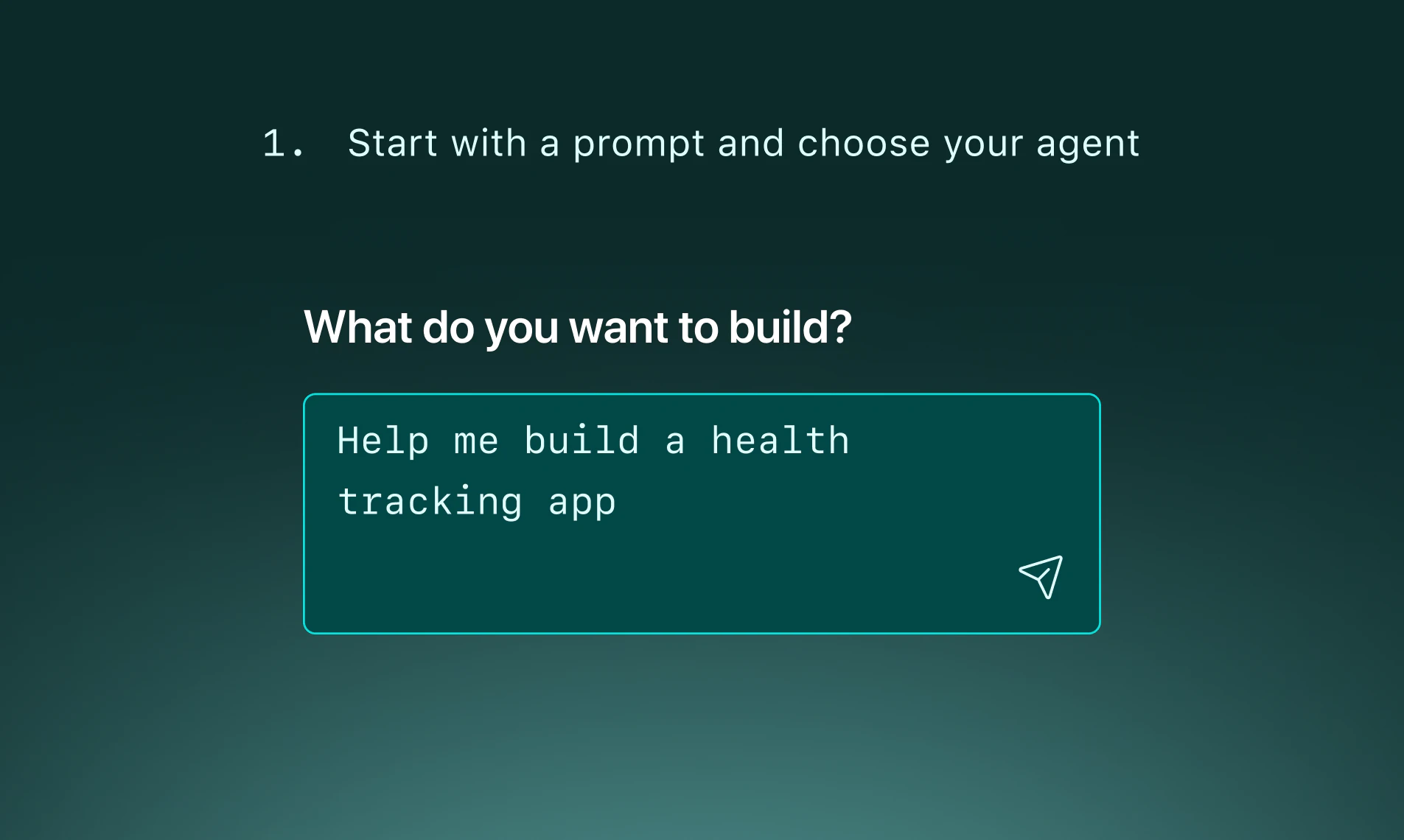
Запустите проект на Netlify всего с одним запросом — без репозитория или локальной настройки! Опишите ваше приложение, выберите AI-агента (Claude, Gemini или Codex) и сразу получите доступный, работающий URL для продакшена. Итерируйте на реальной инфраструктуре Netlify с встроенными формами и безсерверными функциями. Традиционные методы по-прежнему работают, но теперь вы можете сразу перейти от запроса к реальному продукту без последующей миграции. Когда вы будете готовы, Git всегда доступен. Самый быстрый способ попробовать: netlify.new
Ключевые слова: Netlify, запуск проекта, AI-агент, Claude, Gemini, Codex, производственный URL, без локальной настройки, итерация в реальном времени, безсерверные функции, быстрая разработка, интеграция с Git, традиционный подход, прямой продукт, netlify.new
Связь:
17. OpenObserve 
Введение: AI-родные открытые альтернативы Datadog
Количество голосов: 🔺 304 votes Опубликовано: 18 марта 2026 г.
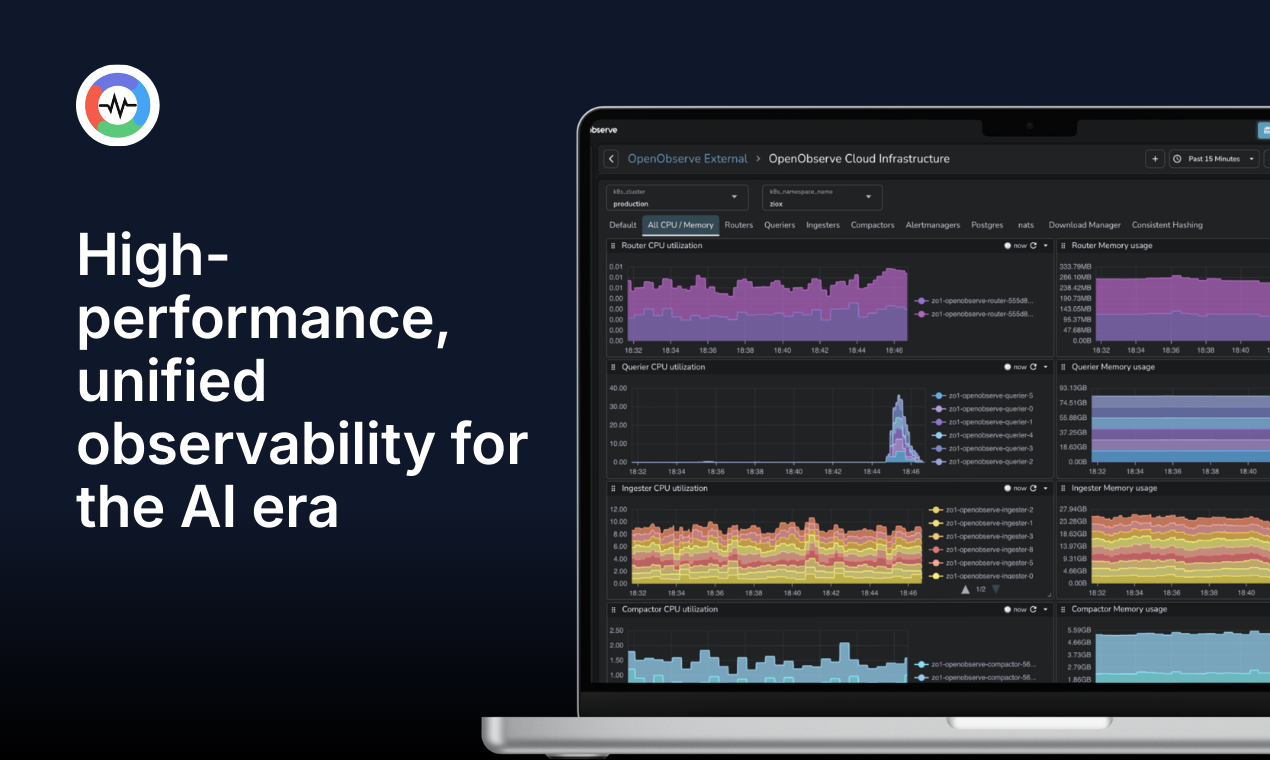
Быстрая, масштабируемая и экономически эффективная платформа для наблюдаемости с открытым исходным кодом. Мониторинг логов, метрик и трассировок с затратами на хранение в 140 раз ниже, чем у ElasticSearch. Начните использовать за 2 минуты.
Ключевые слова: OpenObserve, AI-родной, открытый исходный код, замена Datadog, быстрый, масштабируемый, экономически эффективный, открытая платформа наблюдаемости, мониторинг логов, мониторинг метрик, мониторинг трассировок, стоимость хранения, ElasticSearch, запуск за 2 минуты
Связь:
18. InfrOS 
Введение: Предсказание и верификация облачной архитектуры перед публикацией
Количество голосов: 🔺 304 votes Опубликовано: 19 марта 2026 г.
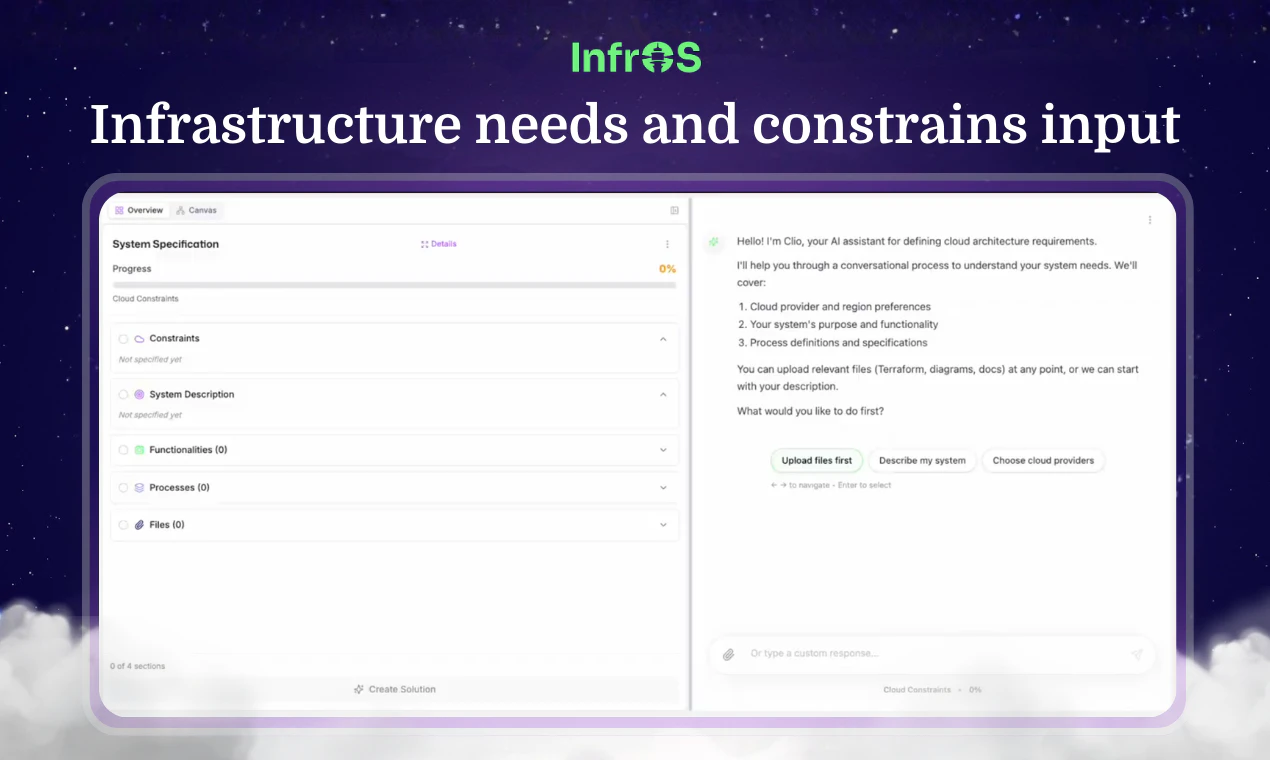
Для команды, занимающейся созданием облачной системы, InfrOS разрабатывает и проверяет по сути оптимизированную архитектуру, чтобы соответствовать вашим приоритетам. Она не только предсказывает результаты, но и доказывает эти результаты с помощью моделирования до развертывания, а также помогает вам контролировать эволюцию инфраструктуры с течением времени.

Ключевые слова: InfrOS, облачная архитектура, прогнозирование, верификация, облачные системы, оптимизация архитектуры, симуляция перед развертыванием, эволюция инфраструктуры, командное сотрудничество, контроль, облачные вычисления
Связь:
19. Fractal 
Введение: Способы быстрого предоставления выдающихся приложений ChatGPT
Количество голосов: 🔺 300 votes Опубликовано: 21 марта 2026 г.

Fractal — это лучший способ быстро доставить выдающиеся приложения ChatGPT. ChatGPT становится магазином приложений искусственного интеллекта, и те, кто первыми выпустят и быстро обновят свои продукты, получат преимущество. Fractal занимается планированием архитектуры, кодированием, тестированием и развертыванием, позволяя вам сосредоточиться на создании продуктов, которые нравятся людям. Создавайте выдающиеся приложения ChatGPT за считанные минуты, а не недели.

Ключевые слова: Фрактал, ChatGPT приложение, быстрая разработка, AI магазин приложений, архитектурное планирование, кодирование, тестирование, развертывание, итерация, пользовательский опыт, разработка приложений, эффективная разработка, инновационные приложения, быстрое развертывание.
Связь:
20. Kira 4.0 
Введение: Превратите своих друзей в контент, которым можно делиться.
Количество голосов: 🔺 298 votes Опубликовано: 17 марта 2026 г.
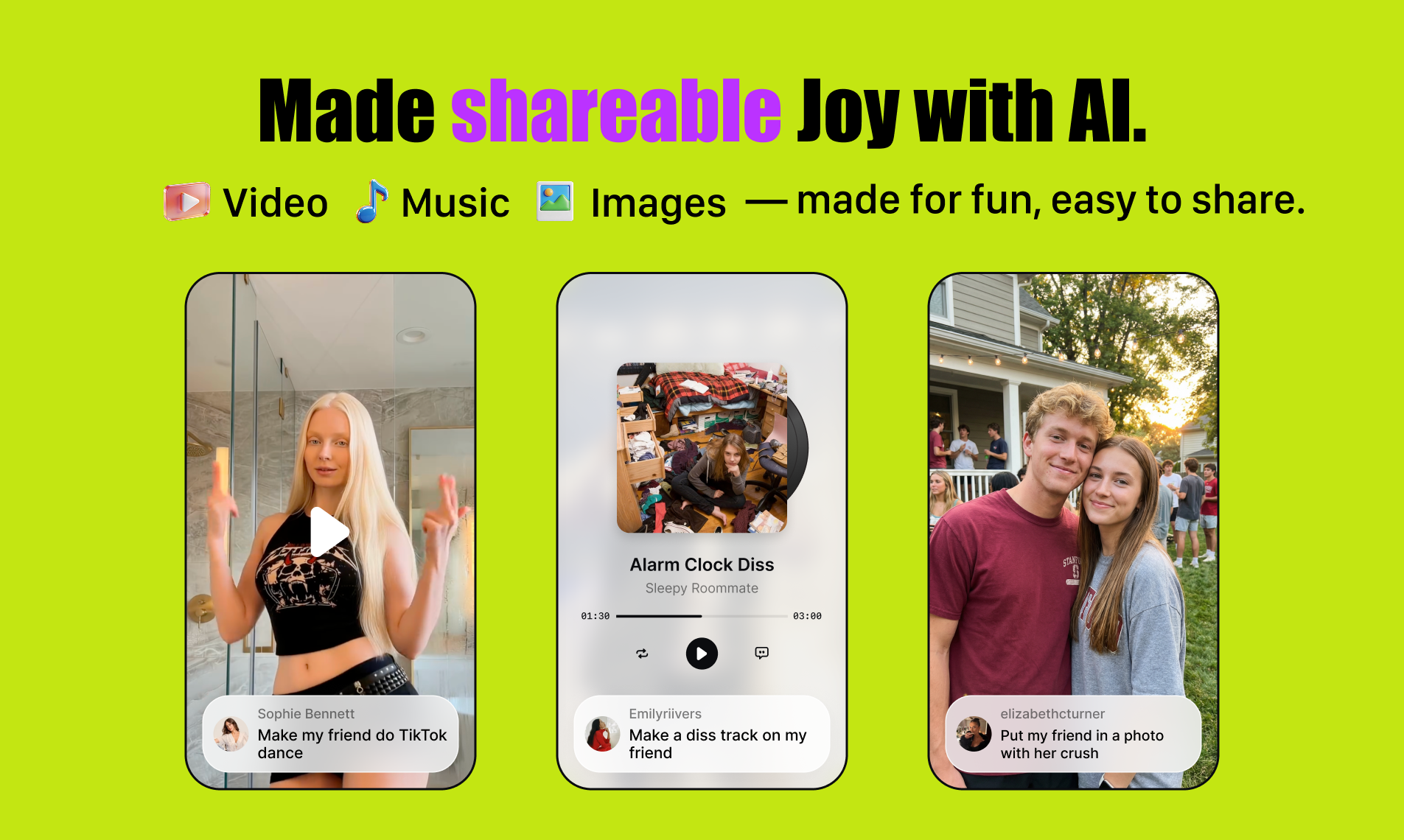
Kira 4.0 объединяет видео и музыку с нашим редактором изображений. Добавьте анимацию к фотографиям друзей, добавьте AI звуковую дорожку, измените их прическу, никто не заметит. Никаких подсказок, никаких загрузок, никакого опыта. Просто выберите, создайте и делитесь радостью.
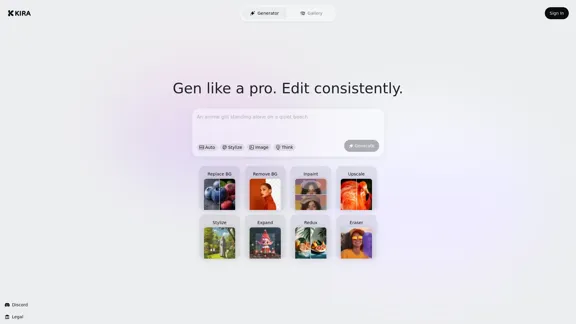
Ключевые слова: Кира 4.0, видеомонтаж, создание музыки, редактирование изображений, анимационные эффекты, ИИ звуковые дорожки, изменения прически, обмен контентом, творческие инструменты, без загрузки, простота в использовании, фотографии друзей, совместное счастье
Связь:
Подвести итог
以上就是2026年第12周在 Product Hunt 上最受欢迎的AI工具精选。这些工具展示了AI领域的最新创新,为用户提供了多样化的解决方案。您最感兴趣的是哪一个?欢迎分享给您的朋友!